
©Jängel Klasen

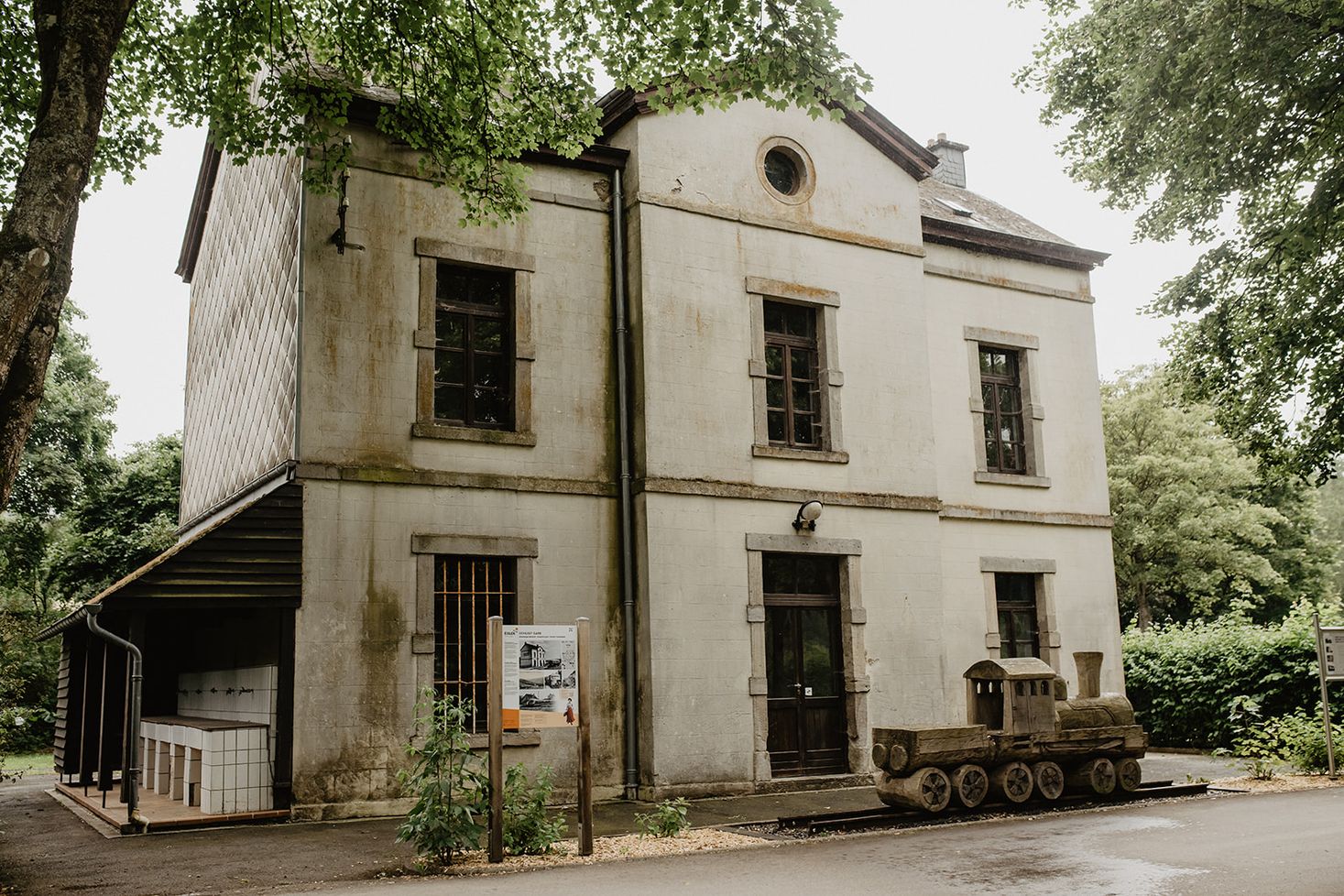
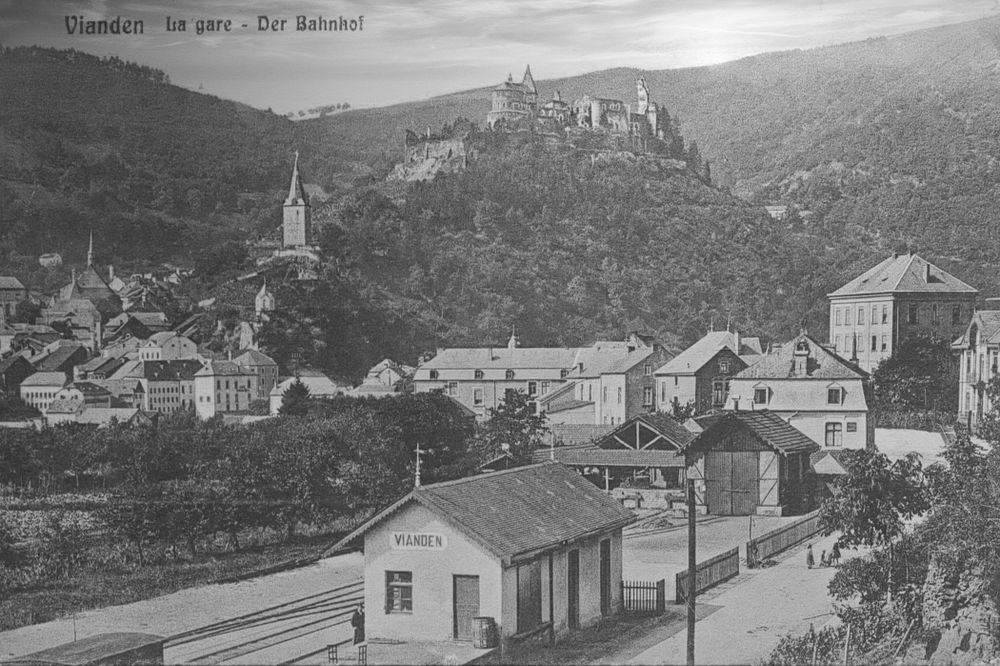
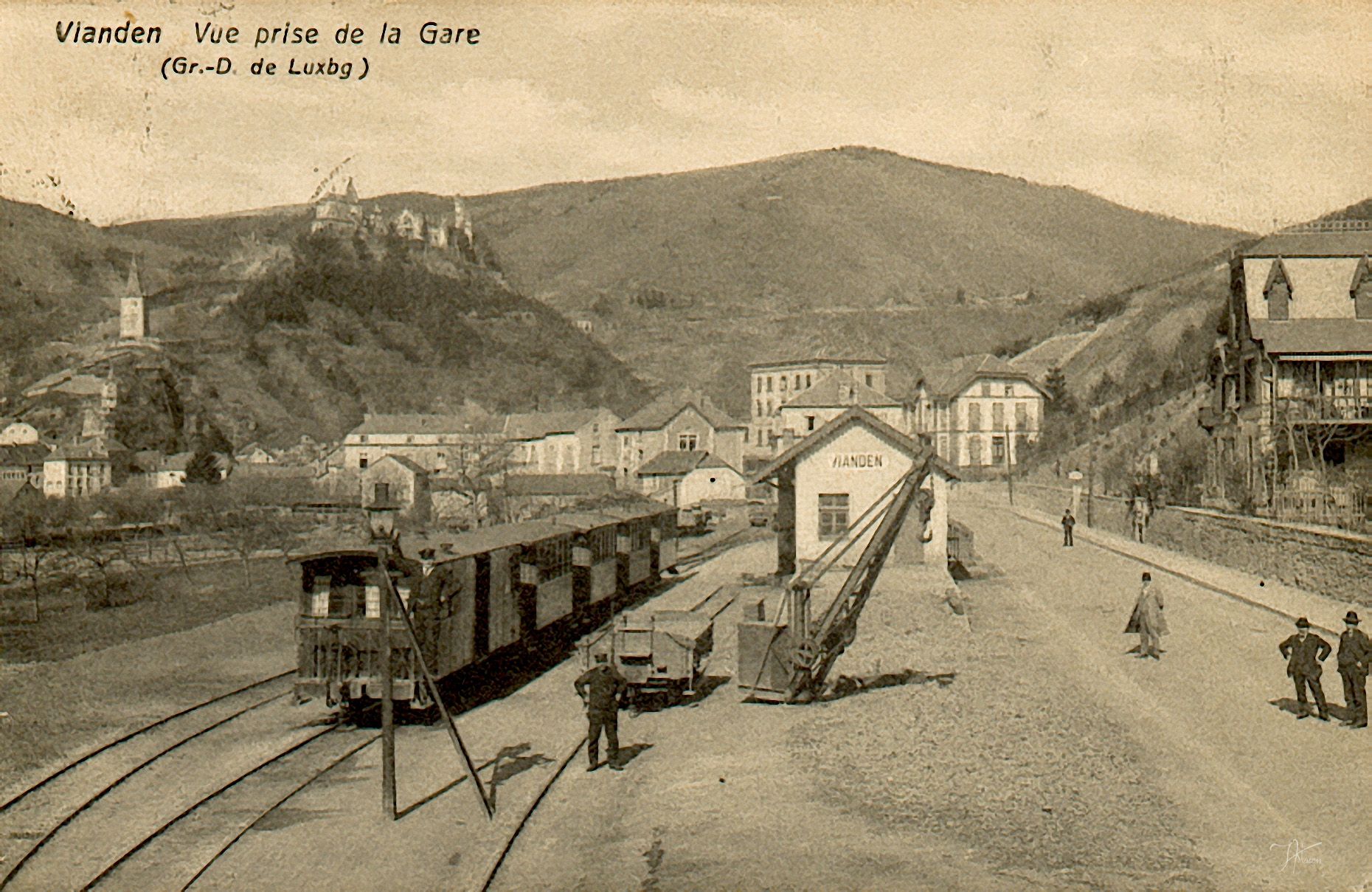
Veiner Gare – Former Trainstation

Nestled along the River Our, the town of Vianden once boasted a unique railway connection – the "Benny Express." This narrow-gauge line operated from 1889 to 1948, linking Vianden with Diekirch's main railway, a vital step in making the town more accessible to tourists.

Building a Scenic Route

To connect Vianden, engineers faced the challenge of laying track within the winding Our Valley. They opted for a narrow-gauge design, allowing for tighter curves and making construction more feasible. Though its origin is debated, this line became affectionately known as the "Benny Express."

The Heartbeat of the Valley

The "Benny" served as a lifeline for both locals and visitors. Tourists enjoyed the scenic journey, while residents relied on the train for their daily commute and to transport goods like timber and agricultural products. On a typical day, you might see families heading for a day trip, farmers with their produce, or perhaps hikers disembarking to explore the beautiful countryside.

Decline and Transformation

Changing times brought challenges. Rising costs and the increasing popularity of buses led to the "Benny Express" being discontinued in 1948. While this marked the end of the line, its legacy lives on.

Rediscovering the Rails

Today, a portion of the old railway has been transformed into a cycle path, allowing visitors to follow the line's route through the picturesque Our Valley. The preserved Bettel station also stands as a reminder of Vianden's railway past. Though the "Benny Express" no longer runs, it holds an important place in both the region's history and the hearts of those who remember its rhythmic chugging along the valley.
Opening hours

Contact

Address: Veiner Gare – Ehemaliger Bahnhof
L-9414 Vianden
Show on map

More sites

©Paul Dostert
A stumbling sill in memory of the Jewish community
Discover a poignant tribute to Ettelbruck's vibrant pre-war Jewish community, as you walk through the historic heart of the town and stumble upon the "Stumbling sill."
Find out more
©MNHM
free
with theLuxembourgPass
National Museum of Military History Diekirch
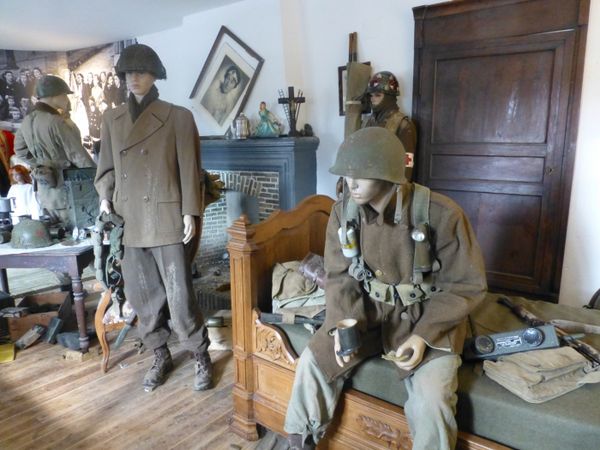
Discover life-size dioramas that sensitively depict the battles and lives of soldiers during the Second World War and explore the impressive collection of over 100,000 military artefacts!
Find out more
Trinitarian church and cloister Vianden
Discover one of the most beautiful Gothic buildings in Luxembourg!
Find out more
©PNDO
Houffelter Kanal - Meuse-Moselle Canal
The Canal That Never Was: The Ambitious Plan to Link Belgium and Luxembourg
Find out more
©Visit Éislek
National Strike Monument Wiltz
Visit the impressive monument commemorating the general strike during the Second World War. Learn more about the tragic events of that time that shaped Luxembourg's history.
Find out more
©Visit Éislek
Centre Cinqfontaines
The small village of Cinqfontaines (Five Wells), not far from Troisvierges, is home to a former monastery built at the beginning of the 20th century. In 1941 it was confiscated by the Nazis who used it as a place of internment for Jews from Luxembourg.
Find out more
©Visit Éislek
St. Lawrence Church Diekirch
The Laurentius Church in Diekirch was planned by Pierre Biwer and completed in 1868. It was declared a national monument in 2017.
Find out more
Saint-Hubert Church
Discover the fascinating architecture of the church, built on the ruins of a pagan site!
Find out more
©Visit Éislek
St. Cunegonde Chapel
The St. Cunegonde Chapel in Heiderscheidergrund, a noteworthy example of 19th-century ecclesiastical historicist architecture in Luxembourg, features a neo-Gothic design, late Gothic sculptures, 18th-century statues, and glass paintings, embodying the country's historical and national consciousness as the oldest Kunigundis shrine.
Find out more

Take a journey into the past

Schleif Winsler
©Visit Éislek

Rediscovering past heritage in the Éislek

The LEADER project ‘Time Travel’ brings the history of Éislek to life in a special way.

Read all time travel stories