
©ORT Sud

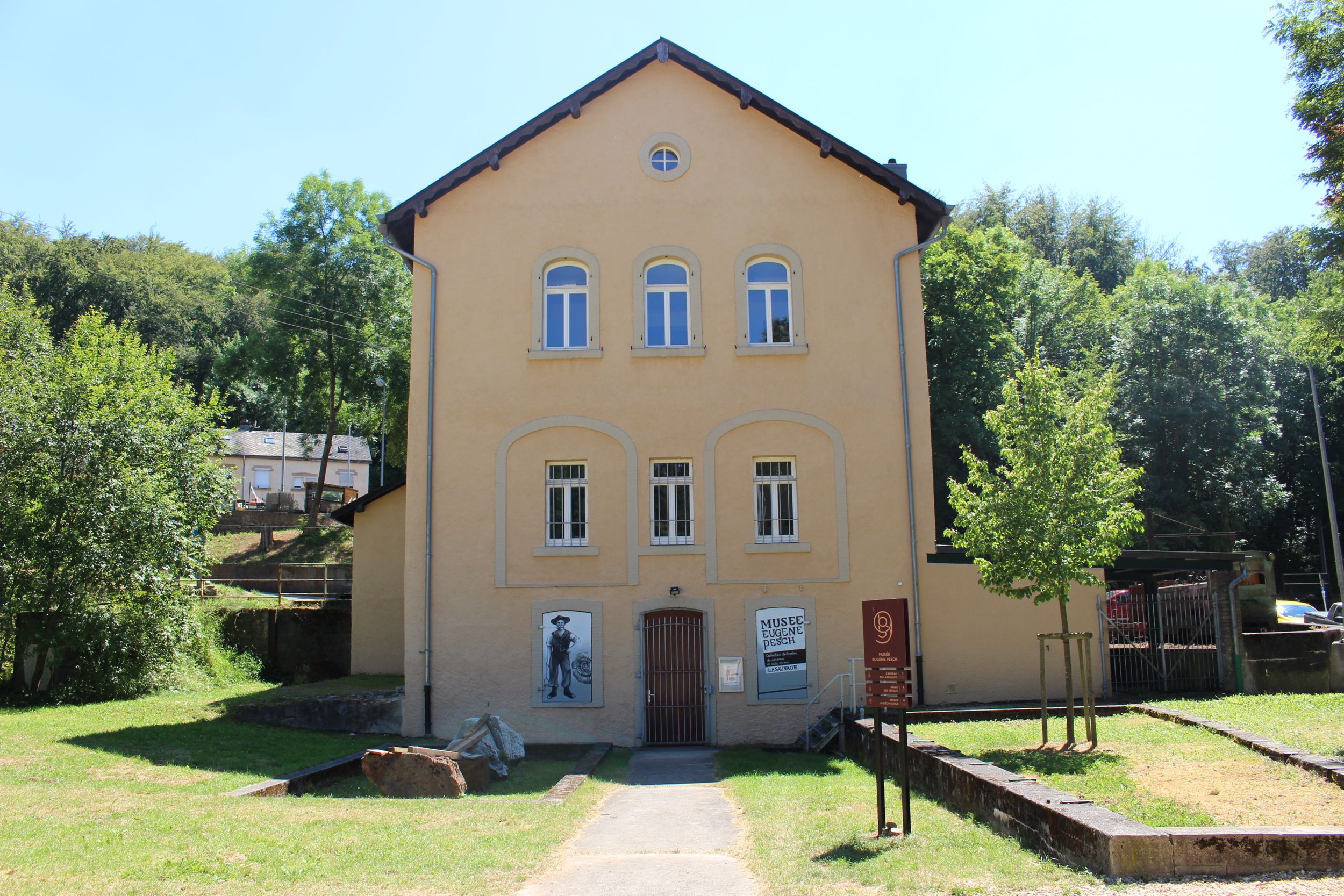
Eugène Pesch Museum Lasauvage

Where? Rue Principale, L-4698 Lasauvage

Ready to rock?

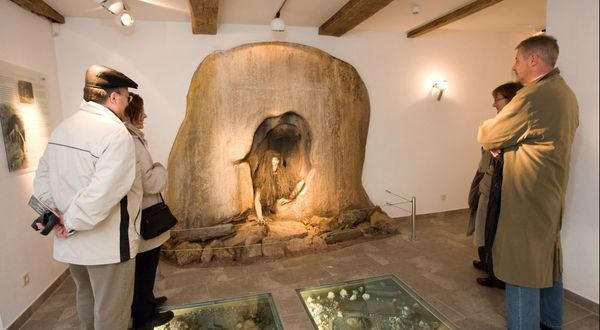
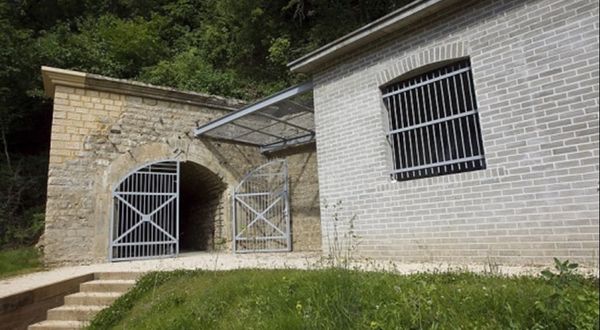
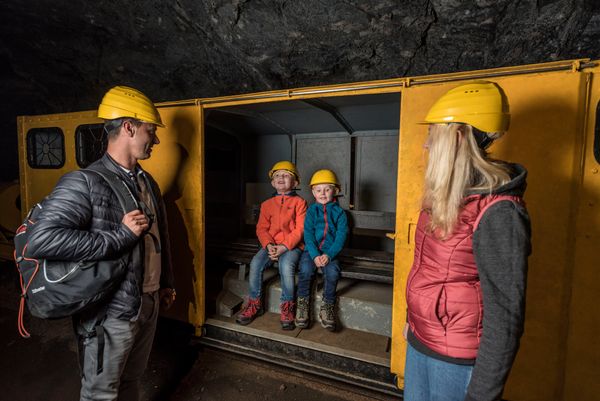
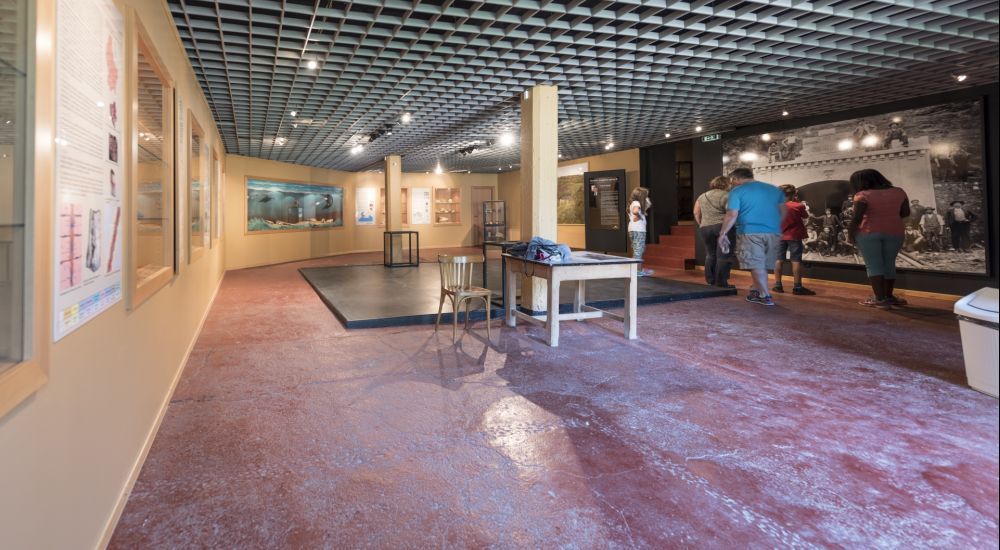
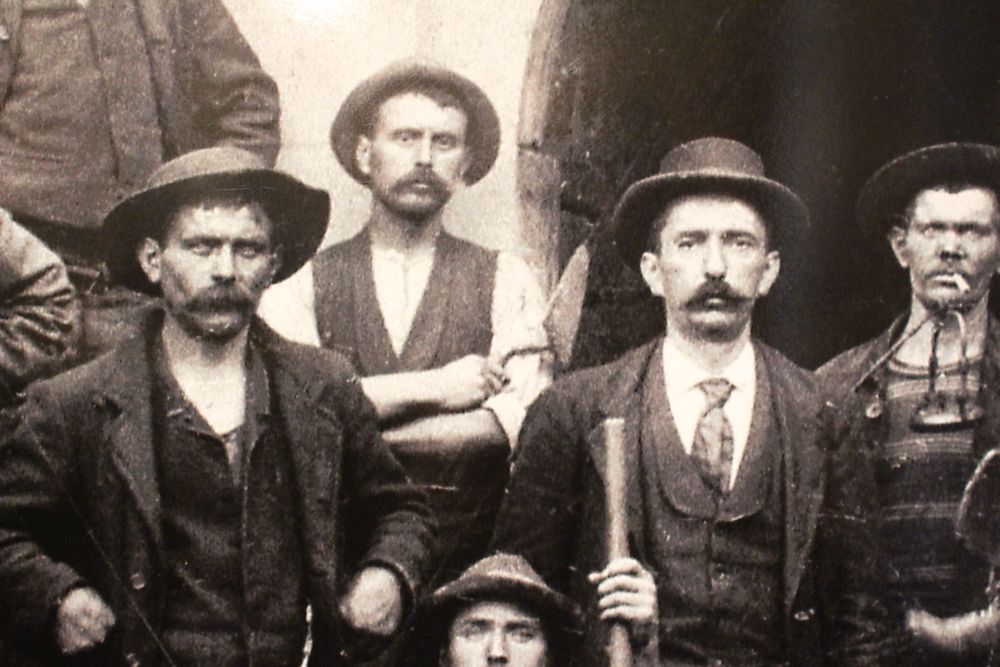
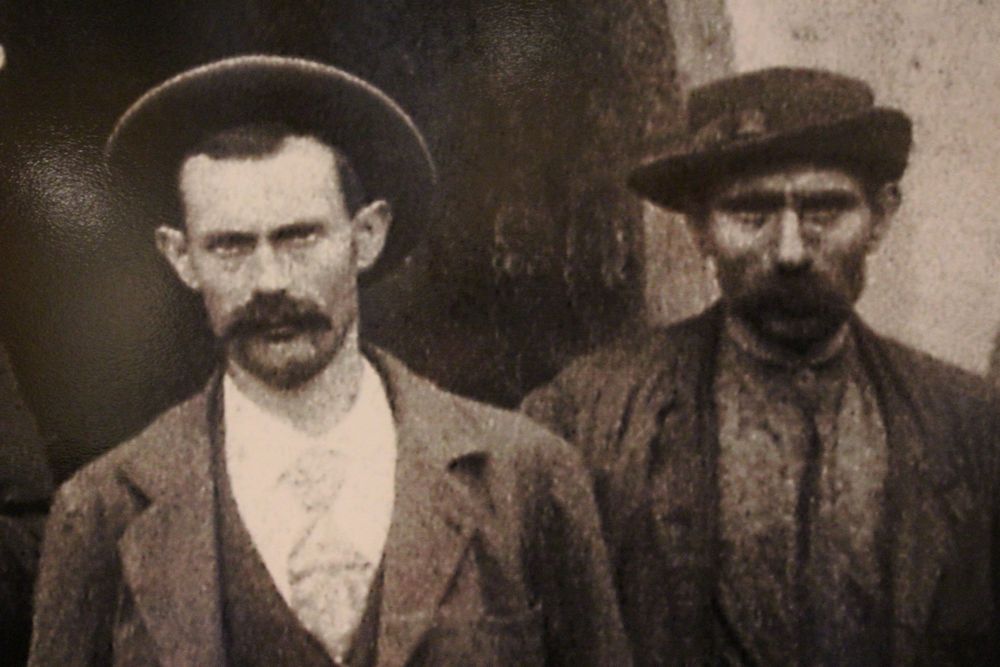
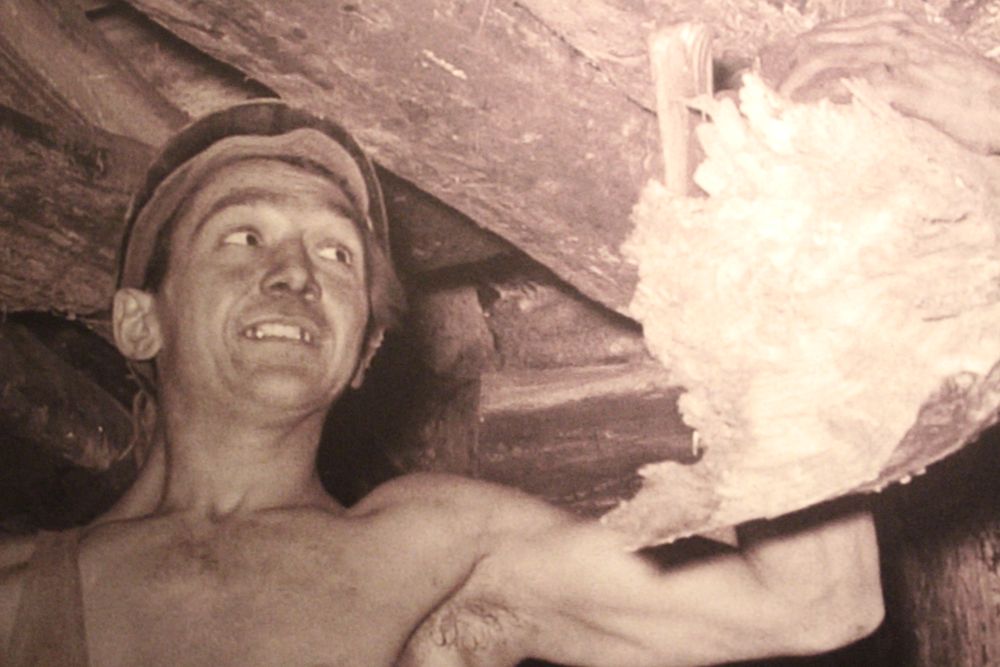
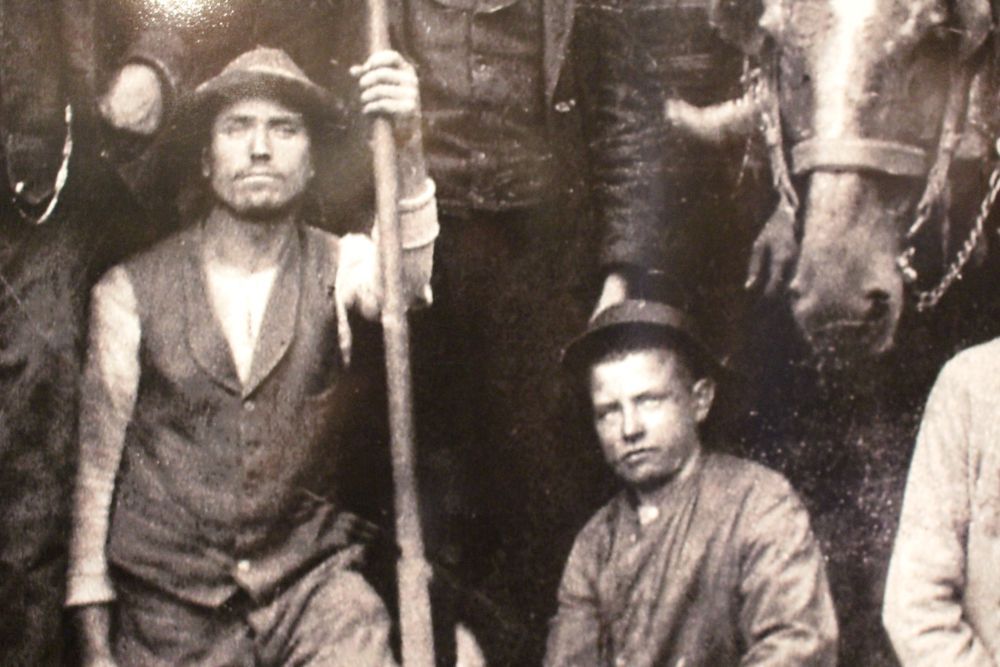
This extraordinary collection of fossils and minerals is the result of years of compilation by collector Eugène Pesch. The museum named after this Luxembourger from Differdange also offers a reconstruction of a mining tunnel and an entire exhibition on the difficult working conditions that miners faced in the early 1900s.


Opening hours
Opening hours are subject to change. Please check them before your visit in order to be sure.
MondayClosed
TuesdayClosed
WednesdayClosed
ThursdayClosed
FridayClosed
SaturdayClosed
Sunday02.08.2026 : 14:00 - 18:00

Contact

Address: Eugène Pesch Museum Lasauvage
Rue Principale
L-4698 Lasauvage
Show on map

More sites

©Mike Zenari
free
with theLuxembourgPass
Carriage Museum Grande-Duchesse Charlotte
There are 33 historic horse-drawn carriages dating back to the 19th century to be admired here.
Find out more
©Espace Muséologique Lasauvage
Espace Muséologique de Lasauvage
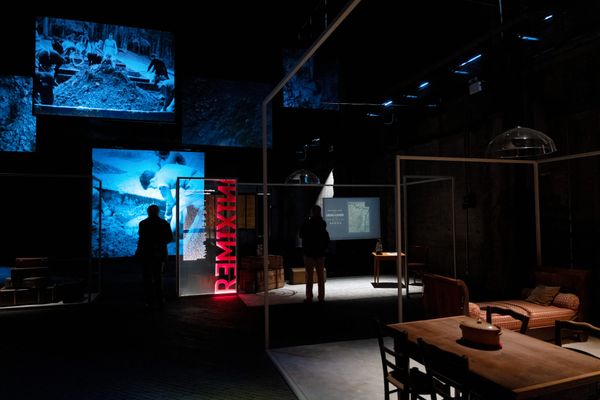
This life-size reconstruction takes you back to the days of the Second World War when a group of young Luxembourgers hid in a mine to escape the obligation to serve in the German army and wear the Nazi uniform.
Find out more
©Musée National des Mines
free
with theLuxembourgPass
National Mining Museum
Life underground
Find out more
©Pecalux (CC BY-SA 3.0 lu)
Algerian spahis monument in Lasauvage
This monument is dedicated to the Franco-Algerian scout troops who died in the fighting during the attack by Nazi Germany in May 1940
Find out more
©Ville d'Esch
Le Fonds Belval - "Massenoire" building
An exhibition space like no other.
Find out more
©Ville de Dudelange
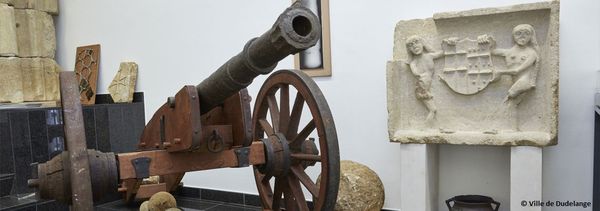
Musée Municipal Dudelange (Municipal museum)
Fossils, industrial and local history in one large combined collection
Find out more
©mnr
Memorial spots in Esch-sur-Alzette
Never forget
Find out more
©Escher Kulturlaf Asbl
free
with theLuxembourgPass
Blast Furnace Belval
At the heart of this newly transformed quarter of the city, which comprises the modern campus of the University of Luxembourg, you can see the imposing remnants of the iron ore industry that drove the economy of Luxembourg more than 100 years ago.
Find out more
©A Gadder
House of culture and history A Gadder
The museum area comprises a total of nine rooms, in which exhibits provide insights into living and working conditions at the end of the 19th century, industrial past of the region and the history of the commune during the Second World War.
Find out more