
©ORT SUD

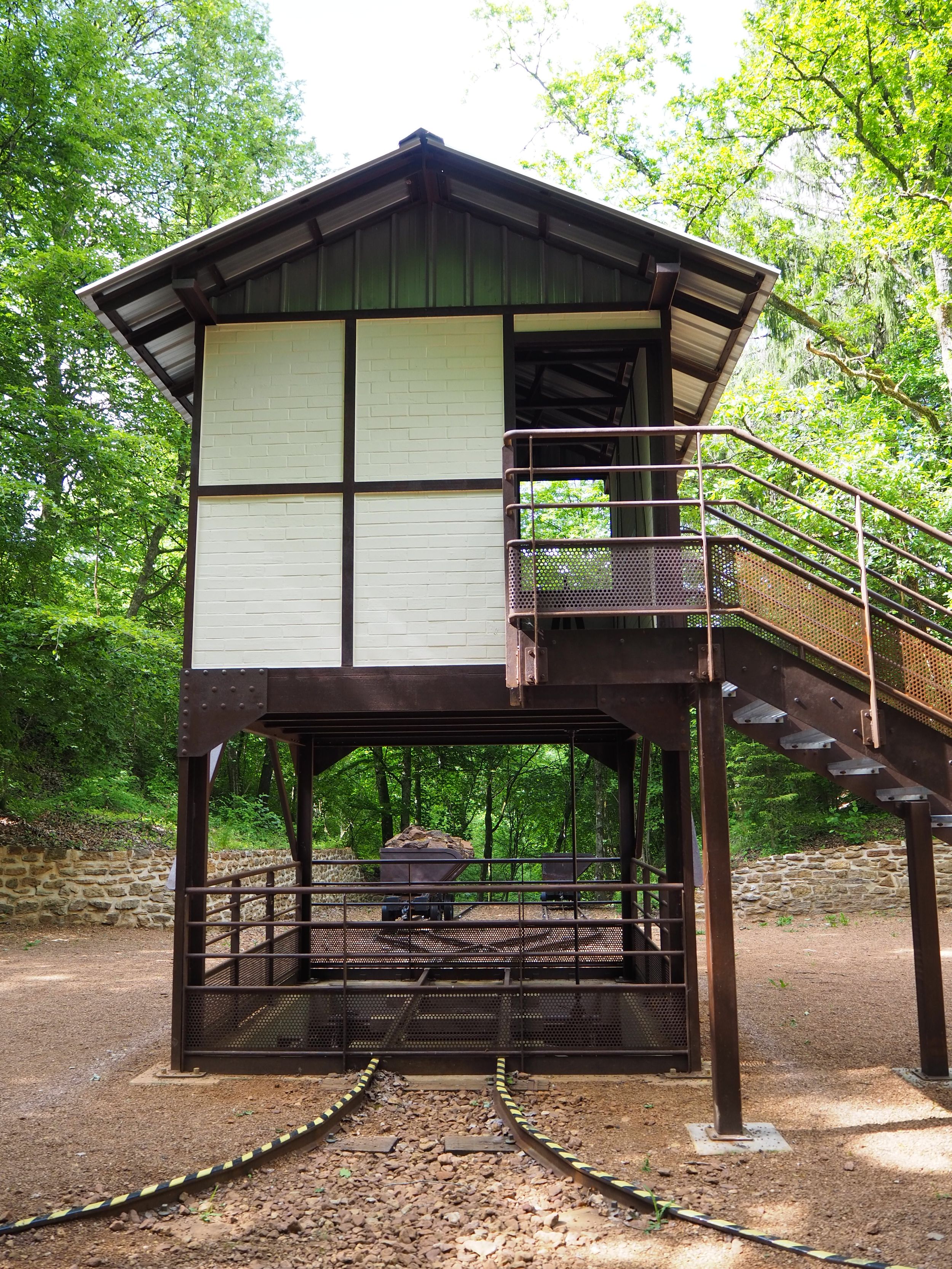
Minière Langenacker - Bremshäischen

Where? L-4011 Esch-sur-Alzette

A monument of transport technology

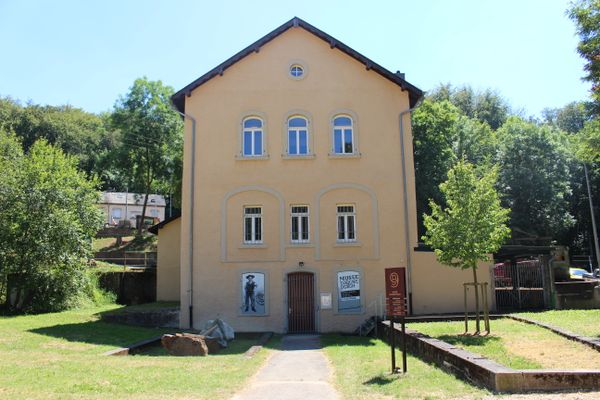
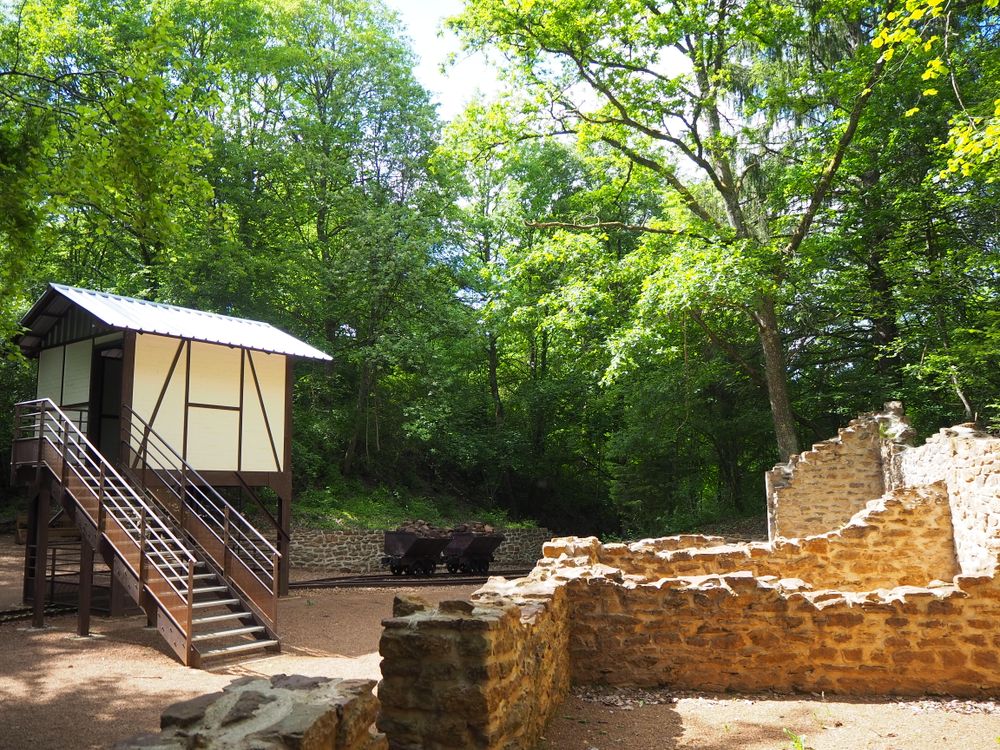
In order to bring the ore from the open-cast mine Langenacker near Tetingen down into the valley, a "plan incliné", i.e. an inclined plane with a braking hill, used to be set here. The old brakeman's house and the upper part of the braking hill of the Langenacker open-cast mine in Tetingen have been painstakingly restored and are a real highlight for visitors.
Contact

Address: Visit Minett
L-4011 Esch-sur-Alzette
Show on map

More sites

©ORT SUD
free
with theLuxembourgPass
National Museum of Resistance and Human Rights
Find out more
©Ville d'Esch
Le Fonds Belval - "Massenoire" building
An exhibition space like no other.
Find out more
©ORT Sud
Eugène Pesch Museum Lasauvage
Ready to rock?
Find out more
©Espace Muséologique Lasauvage
Espace Muséologique de Lasauvage
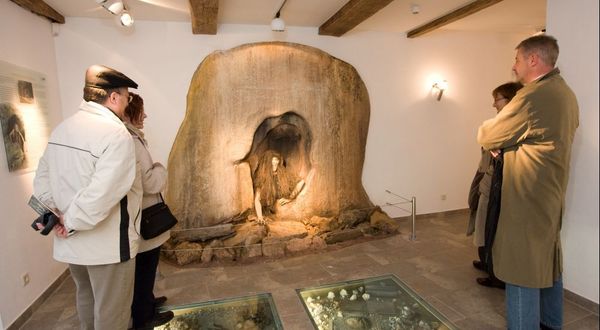
This life-size reconstruction takes you back to the days of the Second World War when a group of young Luxembourgers hid in a mine to escape the obligation to serve in the German army and wear the Nazi uniform.
Find out more
©Jwh (CC BY-SA 3.0 lu)
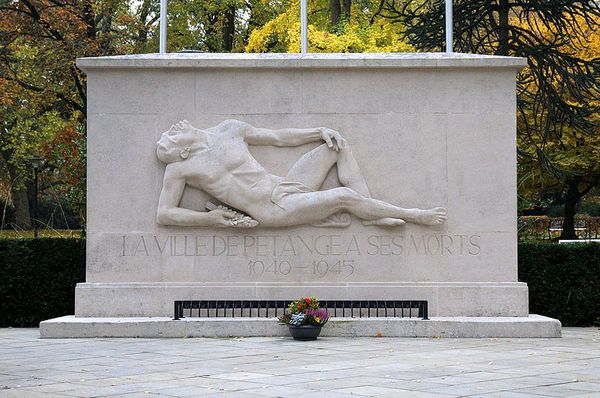
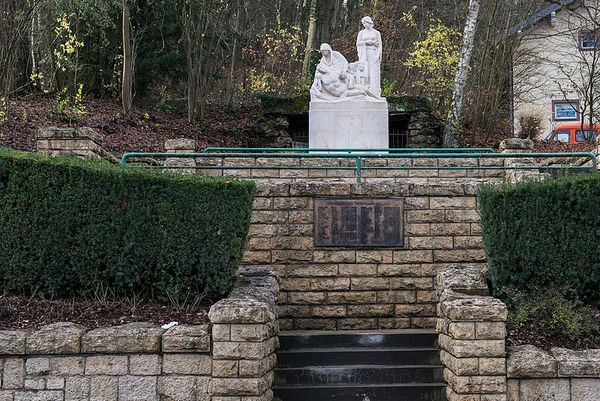
Memorials points in Pétange
Remembering the past
Find out more
©Escher Kulturlaf Asbl
free
with theLuxembourgPass
Blast Furnace Belval
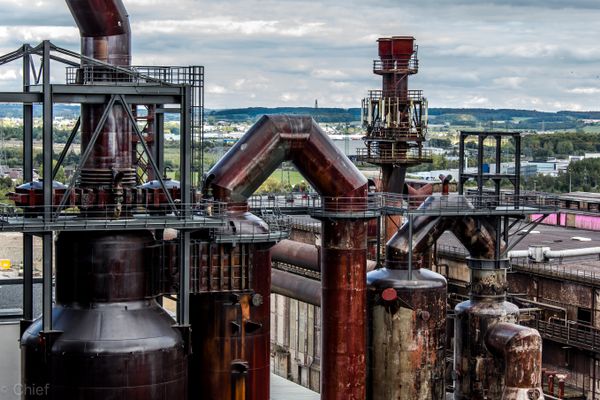
At the heart of this newly transformed quarter of the city, which comprises the modern campus of the University of Luxembourg, you can see the imposing remnants of the iron ore industry that drove the economy of Luxembourg more than 100 years ago.
Find out more
©Jwh (CC BY-SA 3.0 Lu)
Memorial Points in Differdange
Bits of history everywhere
Find out more
©Pulsa Pictures_ORT SUD
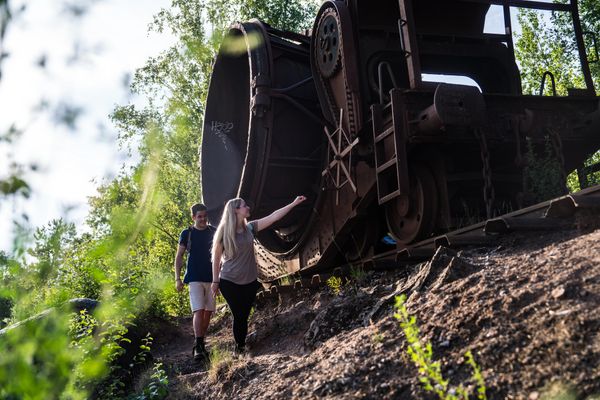
Schlakewon Humpen
In the middle of the nature reserve, this old cinder tipping car really stands out. A popular photo spot and a stunning viewing platform.
Find out more
©Jean Reitz
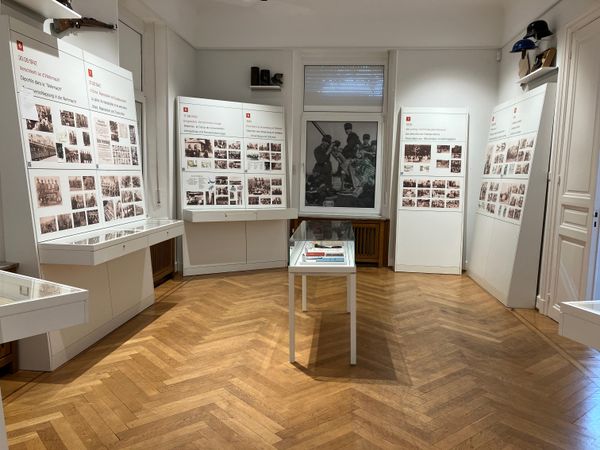
Regional Museum of forced conscription
This regional museum focuses on the complex history of forced recruitment during the Nazi occupation of Luxembourg and provides a poignant insight into the suffering of the Dudelange population during the war.
Find out more