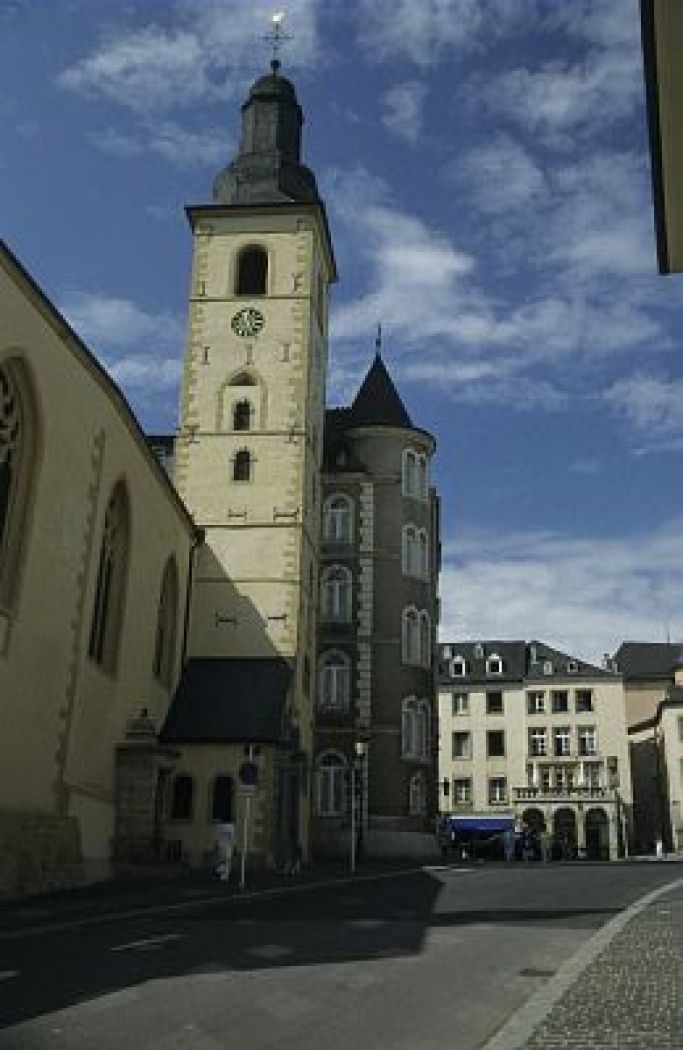
St. Michael Church

Where? 2536 Luxembourg City

St. Michael Church

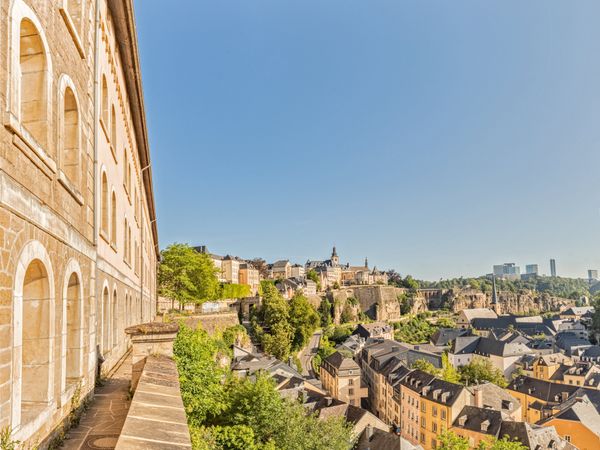
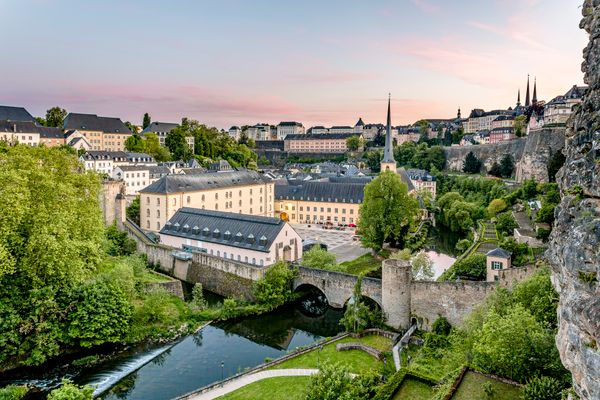
The origins of the church of St. Michael date back to 987. It was damaged several times during successive sieges of the fortress, then rebuilt and enlarged. The present Gothic-style church dates from 1519. It Gothic vaults and its Baroque altar by B. Namur form a harmonious entity. 

Opening hours
Contact

Address: St. Michael Church
L-2536 Luxembourg City
Show on map

More sites

©Marc Lazzarini - standart / Luxembourg City Tourist Office
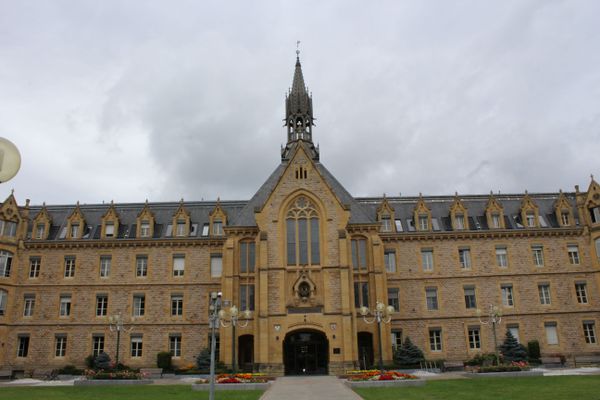
The State Savings Bank
The State Savings was created by law in 1856.
Find out more
©Eric Threinen / Luxembourg City Tourist Office
Chemin de la Corniche
Find out more
©Visit Luxembourg
UNESCO Walk - Luxembourg Old Town and Fortifications
Distance: 3,39 km
Duration: 1:47 h
Difficulty: easy
Find out more
©Christophe van Biesen
neimënster - cultural centre
Neimënster Abbey cultural centre
Find out more
©Sabino Parente Photographer
Melusina statue
The statue of the legendary mermaid Melusina by Luxembourg artist Serge Ecker, created by 3D printing, was installed in the Grund Viertel on the banks of the Alzette river in 2015
Find out more
©Thomas Linkel
Thematic paths
Vauban Circular Walk
Distance: 5,16 km
Duration: 3:00 h
Difficulty: medium
Find out more
©Gaul's Legacy Tours
Gen. Bradley's 12th Army Group Headquarters in Luxembourg
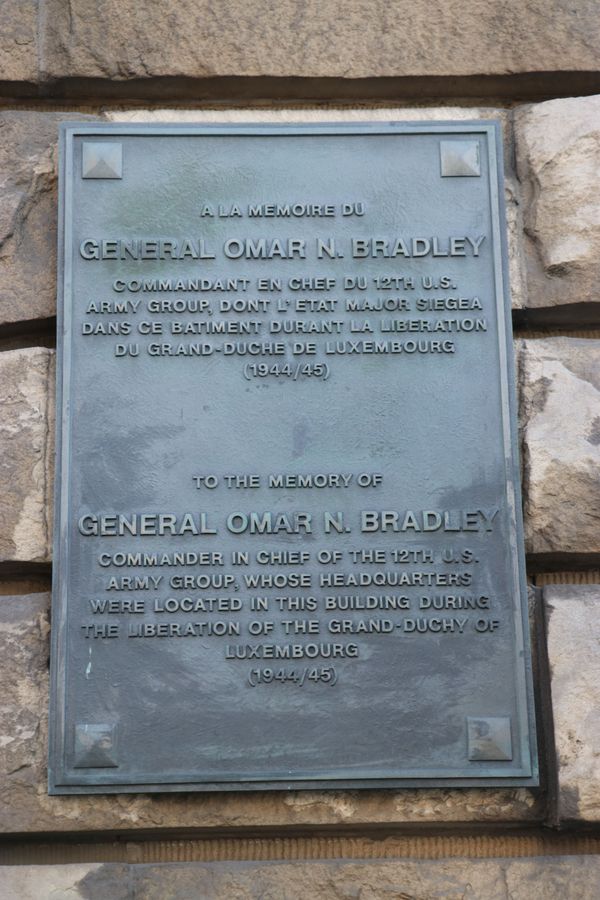
Only a modest bronze plaque fixed to the right wing of the present headquarters building of the State Savings bank (BCEE) in Luxembourg City reminds of General Omar Bradley’s former Headquarters.
Find out more
©Gaul’s Legacy Tours
Patton's headquarters in Luxembourg
The use of the “Fondation Pescatore” building by General Patton as the Headquarters for his Third US Army (THUSA), is primarily known because of “Patton’s Prayer” in the chapel on the first floor of the building.
Find out more
©SIP
National Monument of the Solidarity
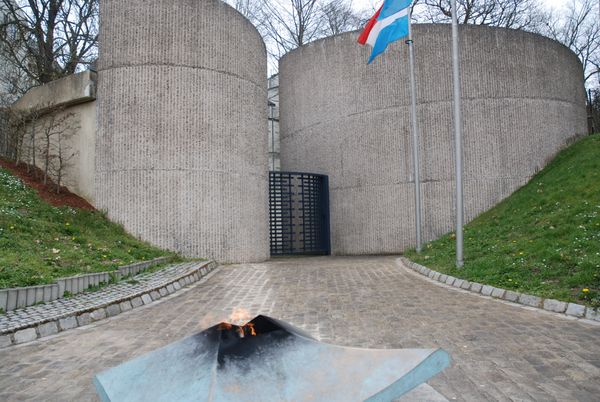
Inaugurated in October 1971 the “National Monument of Luxembourg solidarity”, called Kanounenhiwwel (mound of canons) by the locals, is the central place for national commemorations of all the victims of World War II, underlining the solidarity that Luxembourgers showed during the dark years of Nazi occupation.
Find out more