
©Jwh (CC BY-SA 3.0 lu)

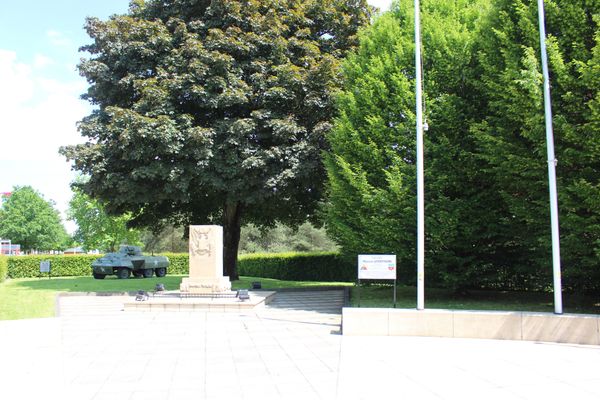
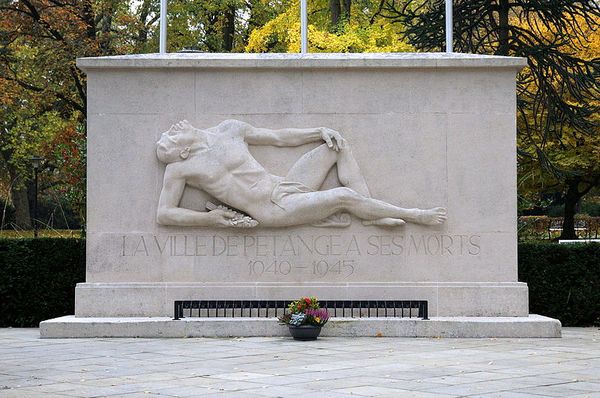
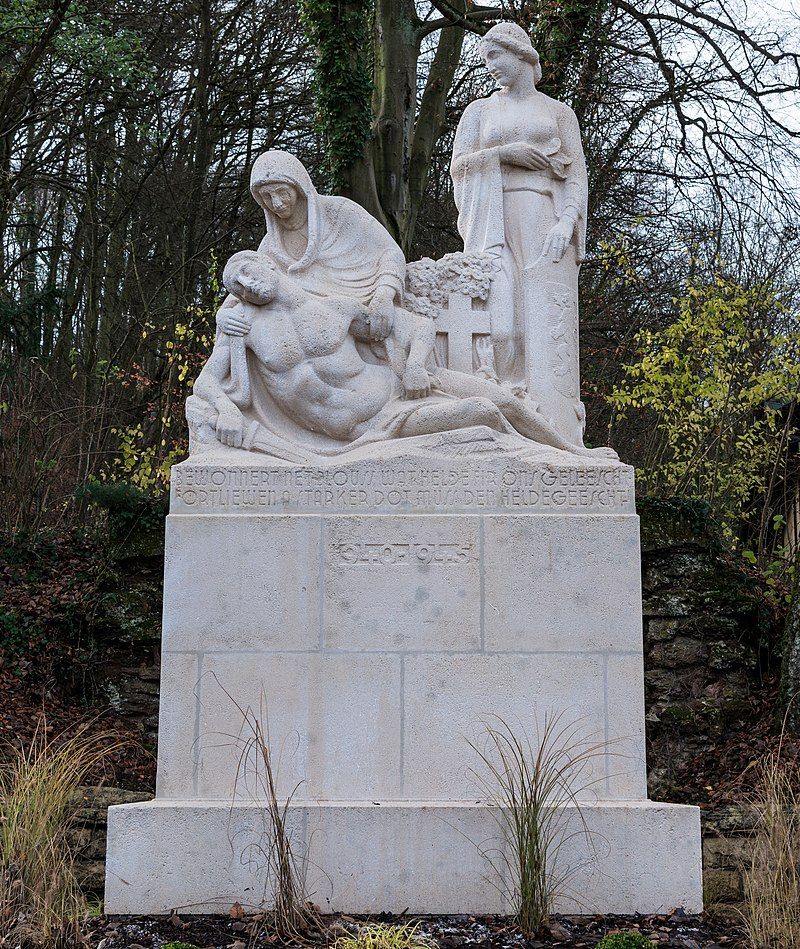
Niederkorn War memorial "Monument aux Morts"

Where? avenue de la liberté, L-4602 Niederkorn

A memorial to the fallen and missing citizens of the community during the Second World War


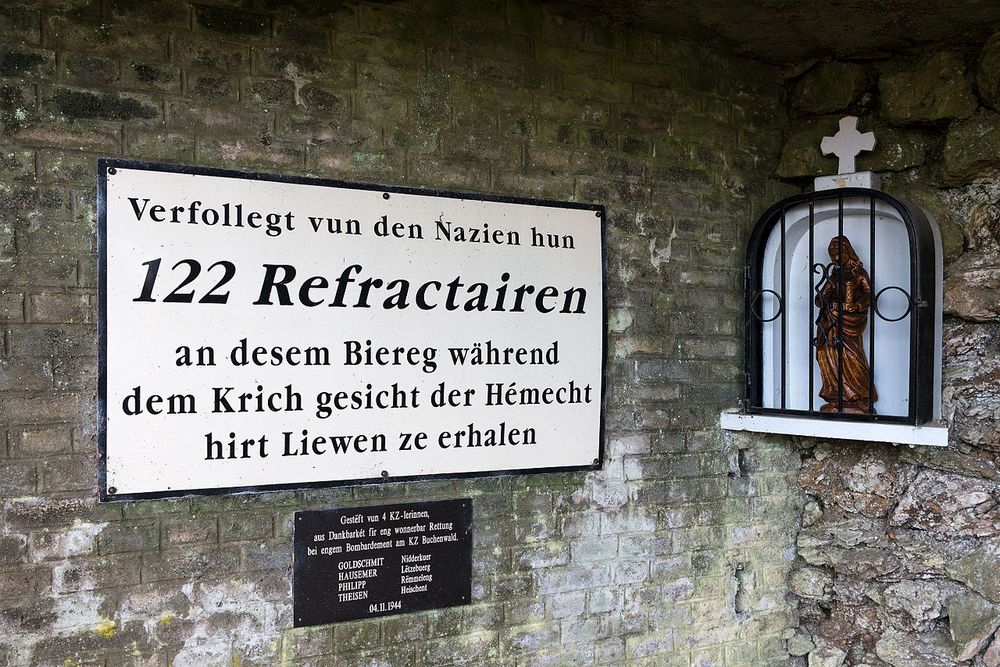
In the immediate vicinity there is also a monument to the gallery/bunker "Hondsbësch", in which 122 conscientious objectors hid as refractors from the Nazi regime's forced recruitment.


Culture info

  • History

Opening hours

Contact

Address: War Memorial Niederkorn
avenue de la liberté
L-4602 Niederkorn
Show on map

More sites

©Pulsa Pictures
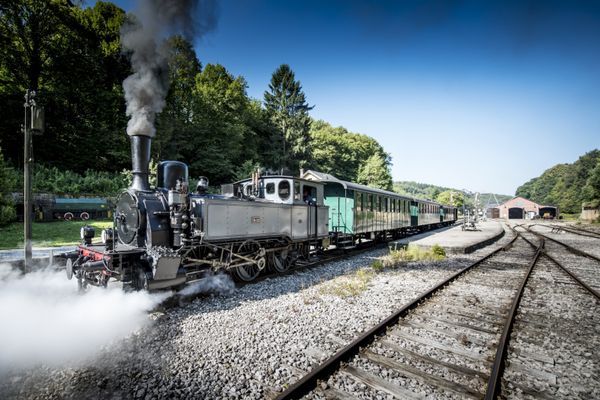
Mine train Minièresbunn
A little time travel journey through the galleries of the Fond-de-Gras
Find out more
©Pulsa Pictures
Historical steam train "Train 1900"
Fancy a journey back in time ?
Find out more
©Espace Muséologique Lasauvage
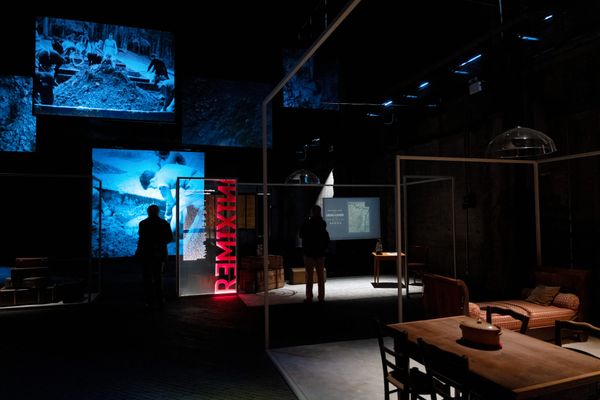
Espace Muséologique de Lasauvage
This life-size reconstruction takes you back to the days of the Second World War when a group of young Luxembourgers hid in a mine to escape the obligation to serve in the German army and wear the Nazi uniform.
Find out more
©Gaul’s Legacy Tours
Monument for Hyman Josefson
The US memorial “September 9, 1944 – We will never forget” of Pétange, is actually dedicated to the 2nd Lt. Hyman Josefson, recorded as the first US soldier to loose his life on Luxembourg territory on September 9, 1944, the first day of American troops crossing the French border area liberating parts of southern Luxembourg.
Find out more
©Musée Ferrum
Musée FERRUM + MUAR - Musée vun der Aarbecht
Putting Work and local history center stage
Find out more
©Jwh (CC BY-SA 3.0 lu)
Memorials points in Pétange
Remembering the past
Find out more
©Pulsa Pictures_ORT SUD
Mémorial "Porte d'Italie"
A historic bond that should never be forgotten
Find out more
©ORT SUD
Square Hyman Josefson
This memorial is dedicated to 2nd. Lt. Hyman Josefson, the first US casualty in Luxembourg during World War II
Find out more
©Jean Reitz
Regional Museum of forced conscription
This regional museum focuses on the complex history of forced recruitment during the Nazi occupation of Luxembourg and provides a poignant insight into the suffering of the Dudelange population during the war.
Find out more